
What Type of Printing Is Most Profitable
Large-format printing and custom signage consistently rank as the most profitable types of printing, with profit margins reaching 50% or higher on many jobs. That gap between material cost and perceived value is what separates high-earning print businesses from those barely breaking even.
Whether you are exploring a printing side business or looking to understand which print services offer the best return, the answer depends on your market, equipment, and service mix. This guide breaks down the most profitable printing categories, compares digital and offset economics, and shows you how to maximize revenue from every print job.
Why Printing Profitability Matters for Your Business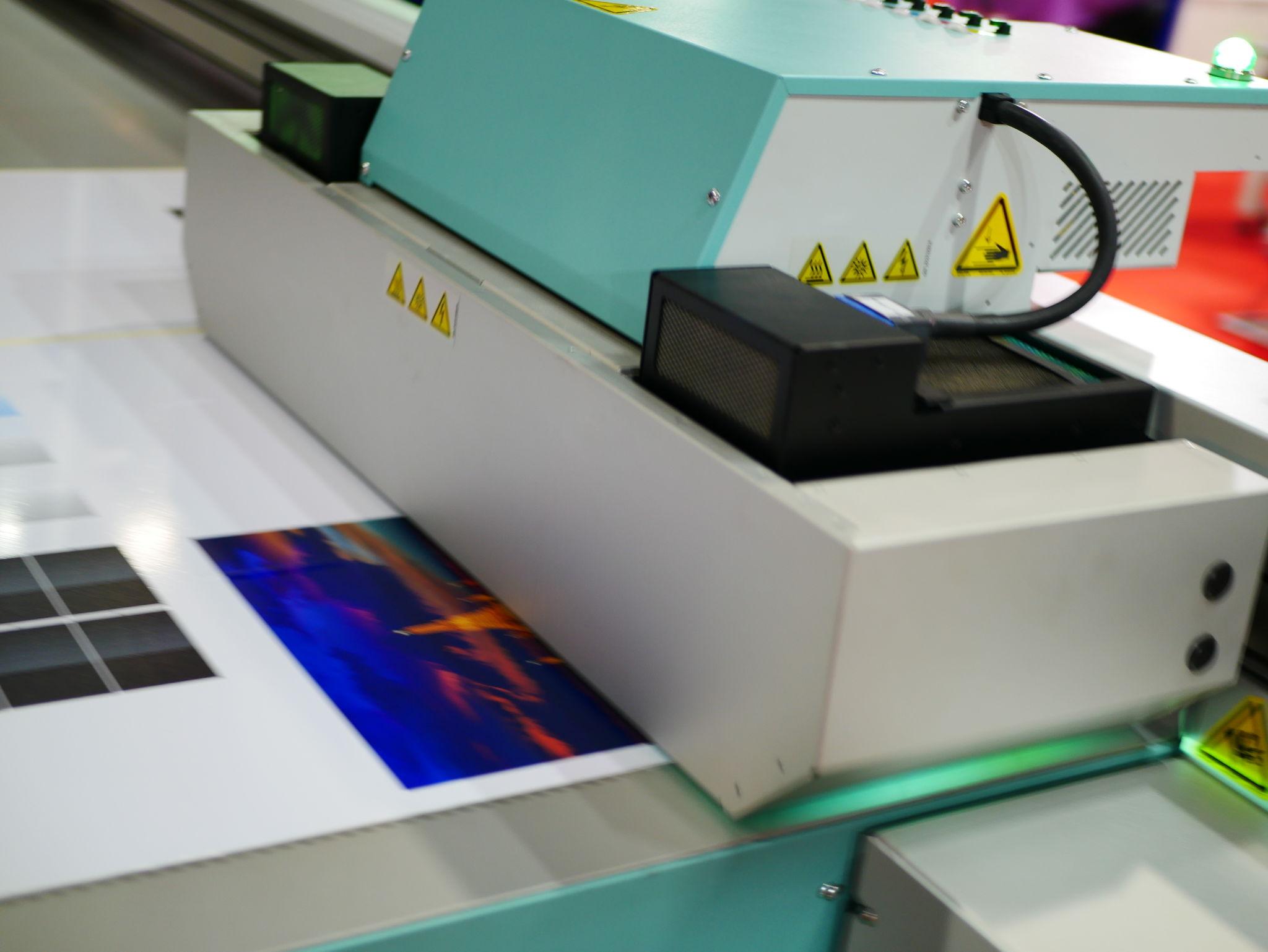
Printing is not a single industry. It is a collection of specialized services, each with different cost structures, customer bases, and margin profiles. Choosing the right type of printing to offer, or to invest in, directly determines whether a print operation thrives or struggles.
For entrepreneurs evaluating a printing business, profitability depends less on volume and more on the type of work you take on. A shop running thousands of low-margin black-and-white copies operates in a completely different financial reality than one producing custom wall murals or vehicle wraps.
Profit Margins in the Printing Industry
The printing industry is broad, and margins vary dramatically by segment. Standard document printing and basic copying typically operate on thin margins, often between 5% and 15%. Commercial offset printing for high-volume jobs like catalogs and brochures sits in the 10% to 25% range, depending on competition and efficiency.
Large-format printing, custom signage, and specialty digital printing tell a different story. These segments regularly achieve margins of 40% to 60%, and in some cases higher. The reason is straightforward: customers pay for customization, visual impact, and urgency, not just ink on paper.
Key Factors That Determine Printing Profitability
Not every print job is created equal. Several factors separate high-margin work from commodity printing:
Customization level. The more tailored a print product is to a specific customer need, the higher the margin. A generic flyer is a commodity. A custom trade show backdrop is a solution.
Material and substrate costs. Vinyl, fabric, and rigid substrates cost more than paper, but the markup potential is significantly greater. Customers expect to pay more for durable, specialty materials.
Turnaround time. Rush jobs command premium pricing. Businesses that can deliver fast turnaround without sacrificing quality capture higher per-job revenue.
Design and file preparation services. Offering in-house design adds a service layer that increases the total job value and locks in customers who lack print-ready files.
Repeat business potential. Services tied to ongoing needs, like real estate signage, seasonal banners, or fleet graphics, generate recurring revenue streams that compound profitability over time.
Most Profitable Types of Printing Services
When you compare printing categories side by side, a clear profitability hierarchy emerges. The services that combine high perceived value, customization, and relatively low per-unit production costs consistently outperform commodity print work.
Large-Format and Wide-Format Printing
Large-format printing is widely regarded as the single most profitable printing category. This includes banners, posters, wall graphics, trade show displays, and architectural prints produced on wide-format inkjet or UV printers.
The economics are compelling. A roll of printable vinyl might cost a few dollars per linear foot, but a finished banner or wall mural sells for many times that amount. Customers are paying for the visual impact, the finished product, and the expertise behind proper color management and material selection.
Wide-format printers also handle a diverse range of substrates, from adhesive vinyl and canvas to rigid foam board and acrylic. Each substrate opens a different product line, and each product line carries strong margins.
Custom Signage and Banner Printing
Custom signs sit at the intersection of printing and fabrication, and that combination drives profitability. A simple vinyl banner is profitable on its own. Add grommets, pole pockets, or a retractable stand, and the job value increases substantially with minimal additional cost.
Business signage, in particular, commands premium pricing. A storefront sign, lobby display, or directional sign system is not a discretionary purchase. It is a business necessity, and customers budget accordingly. Sign companies that offer design consultation, site surveys, and installation capture even more value per project.
Vehicle Wraps and Fleet Graphics
Vehicle wraps represent one of the highest-margin segments in the printing industry. A full vehicle wrap can sell for several thousand dollars, while material and print costs represent a fraction of that total. The labor-intensive installation process is where much of the value lies, and skilled installers are in high demand.
Fleet graphics multiply this opportunity. A single commercial client wrapping five, ten, or fifty vehicles creates a large, recurring revenue stream. Many fleet clients also need replacement wraps, seasonal updates, or additional vehicles added over time.
Screen Printing and Apparel Decoration
Screen printing remains profitable, especially for bulk orders of custom t-shirts, uniforms, and promotional apparel. The per-unit cost drops significantly at higher quantities, and the markup on decorated apparel is well-established.
However, screen printing profitability depends heavily on volume. Setup costs for screens and color separations mean that small runs are less efficient. For short-run apparel, direct-to-garment (DTG) printing offers better margins on orders under 50 pieces, though the per-unit cost is higher than screen printing at scale.
Specialty and Short-Run Digital Printing
Digital printing technology has opened profitable niches that were not viable with traditional offset methods. Short-run booklets, personalized marketing materials, variable data printing, and on-demand packaging all benefit from digital production.
The profitability of short-run digital printing comes from eliminating setup costs. There are no plates to produce, no press makeready, and no minimum order quantities. A customer ordering 25 custom brochures pays a premium per piece compared to ordering 5,000, but the print provider avoids the overhead of offset setup entirely.
How Large-Format Printing Delivers High Profit Margins
Large-format printing deserves deeper examination because it consistently tops profitability rankings across the printing industry. Understanding why reveals principles that apply to any profitable print service.
Low Material Cost vs. High Perceived Value
The core profit driver in large-format printing is the gap between what materials cost and what customers are willing to pay for the finished product. A 3-foot by 6-foot vinyl banner might use a few dollars worth of material and ink. The finished product, properly designed and printed with vibrant color, sells for significantly more.
This gap exists because customers are not buying raw materials. They are buying visibility, brand presence, and communication. A retractable banner stand at a trade show is a sales tool. A wall mural in a restaurant is an atmosphere creator. The value is in the outcome, not the substrate.
Repeat Business and Commercial Contracts
Large-format printing naturally generates repeat business. Event companies need new banners for every event. Retailers update window graphics seasonally. Real estate agencies order sign after sign as listings change. Construction companies need site signage for every new project.
This repeat cycle is critical to profitability. Acquiring a new customer is expensive. Serving an existing customer on their next project is efficient. Print providers who build relationships with commercial clients create predictable revenue streams that stabilize cash flow and improve long-term margins.
Custom Signage Profitability for Local Businesses
Custom signage is a particularly strong profit center for print businesses serving local markets. Every business needs signs, and most businesses need them updated, replaced, or expanded regularly.
Indoor Signs, Window Graphics, and Point-of-Sale Displays
Indoor signage covers a wide range of products: lobby signs, wayfinding systems, menu boards, promotional displays, and window graphics. Each of these products serves a specific business function, and customers evaluate them based on effectiveness, not just price.
Window graphics, in particular, offer excellent margins. The material cost is low, the visual impact is high, and the installation is relatively straightforward. For retail businesses, restaurants, and service providers, window graphics are one of the most cost-effective advertising tools available, which makes them an easy sell at healthy margins.
Point-of-sale displays and promotional signage also perform well. These products are tied directly to revenue generation for the customer, which supports premium pricing. A well-designed counter display or hanging banner that drives sales is worth far more than its production cost.
Outdoor Signs, Yard Signs, and Event Signage
Outdoor signage includes everything from permanent monument signs to temporary yard signs and event banners. The profitability varies by product type, but the category as a whole performs strongly.
Yard signs are a volume play. Individually, each sign carries a modest margin. But orders of 50, 100, or 500 yard signs for political campaigns, real estate offices, or local events add up quickly. The production process is fast, the materials are inexpensive, and the turnaround expectations align well with digital printing capabilities.
Event signage, including step-and-repeat banners, directional signs, and stage backdrops, commands premium pricing because of tight deadlines and high visibility requirements. Event organizers need their signage to be perfect and on time, and they pay accordingly.
Digital Printing vs. Offset Printing Profitability
The digital-versus-offset question is one of the most common in the printing industry, and the profitability answer depends entirely on the job specifications.
When Digital Printing Is More Profitable
Digital printing is more profitable for short runs, variable data jobs, and projects requiring fast turnaround. Without the setup costs of plates and press makeready, digital printing breaks even at much lower quantities.
For print providers, digital printing also reduces waste. There is no overrun from press calibration, no leftover plates, and no inventory of pre-printed stock that might become obsolete. The ability to print exactly what is needed, when it is needed, minimizes carrying costs and maximizes per-job profitability.
Personalization is another digital advantage. Variable data printing, where each piece contains unique information like names, addresses, or QR codes, is only possible with digital technology. Personalized print commands higher prices because it delivers better results for the customer.
When Offset Printing Makes Financial Sense
Offset printing becomes more cost-effective at higher volumes, typically above 500 to 1,000 units depending on the product. The per-unit cost drops dramatically as the fixed setup costs are spread across more pieces.
For large commercial jobs like catalogs, magazines, and high-volume marketing collateral, offset printing still delivers the lowest per-unit cost and the most consistent color reproduction. Print businesses that handle these jobs profitably do so through volume efficiency and long-standing client relationships.
However, the trend in the industry is moving toward digital. As digital print quality continues to improve and speed increases, the crossover point where digital becomes cheaper than offset keeps shifting to higher quantities. Many print businesses now operate hybrid models, using digital for short runs and offset for large orders.
How to Maximize Profit from a Printing Business
Profitability in printing is not just about choosing the right product category. It is about building a service model that captures maximum value from every customer interaction.
Upselling and Cross-Selling Print Services
The most profitable print businesses do not just fill orders. They expand them. A customer who walks in for business cards might also need letterhead, envelopes, and a pull-up banner. A client ordering a trade show banner might need matching table throws, brochure handouts, and name badges.
Cross-selling works because the customer already trusts you with their brand. Suggesting complementary products is a service, not a sales tactic, when done with genuine expertise. Print providers who train their staff to identify additional needs consistently achieve higher average order values.
Offering Design and File Preparation Services
Many customers arrive without print-ready files. They have a rough idea, a low-resolution logo, or a Word document they want turned into a professional poster. Offering design and file preparation services converts these customers into higher-value jobs.
Design services carry excellent margins because the primary cost is labor, and the output directly increases the quality and value of the printed product. A customer who pays for professional design is also more likely to order premium materials and finishes, further increasing the job total.
File preparation, including color correction, resolution optimization, and bleed setup, is a smaller but consistent revenue stream. Charging a reasonable fee for file prep protects print quality and adds to the bottom line on every job that requires it.
Fast Turnaround as a Competitive Advantage
Speed sells. In the printing industry, customers frequently need products faster than standard production timelines allow. Offering rush services at premium pricing is one of the most straightforward ways to increase profitability.
Fast turnaround is especially valuable in signage and event printing. A business opening next week needs its storefront sign now. An event organizer whose speaker lineup changed needs updated banners by Friday. These customers will pay a premium for reliability and speed.
Building a production workflow that can accommodate rush jobs without disrupting standard orders requires planning, but the financial payoff is significant. Rush premiums of 25% to 50% or more are common and widely accepted by customers who understand the value of meeting their deadline.
Starting a Profitable Printing Business in Dallas
Dallas presents a strong market for printing and signage services. The combination of a large business community, active event scene, and growing population creates consistent demand across multiple print categories.
Local Market Demand for Print and Signage Services
The Dallas-Fort Worth metroplex is home to thousands of small businesses, corporate offices, restaurants, retail stores, and event venues. Each of these represents a potential customer for print and signage services.
The construction and real estate sectors in Dallas are particularly active, driving demand for site signage, directional signs, and property marketing materials. The city's convention and event industry generates steady demand for trade show graphics, event banners, and promotional materials.
Local businesses in Dallas also invest heavily in storefront signage, vehicle graphics, and interior branding. The competitive retail and restaurant landscape means businesses need to stand out visually, and professional signage is one of the most effective ways to do that.
Equipment and Startup Costs to Consider
Starting a printing business requires capital investment in equipment, and the amount varies significantly by the type of printing you plan to offer. A basic digital printing setup with a commercial-grade color printer and finishing equipment might require a modest initial investment. A full large-format operation with a wide-format printer, laminator, and cutting equipment requires more.
The key financial consideration is matching your equipment investment to your target market. Investing in a high-end wide-format printer makes sense if you plan to focus on signage and large-format work, where the margins justify the equipment cost. Starting with a versatile digital press makes sense if you plan to serve a broader range of document and marketing print needs.
Leasing equipment is a common strategy for managing startup costs. Many print equipment manufacturers offer lease programs that reduce the upfront investment and allow businesses to upgrade as they grow.
How AlphaGraphics Dallas Helps You Print Profitably
AlphaGraphics Dallas provides the full range of high-margin print services discussed in this guide, from large-format banners and custom signage to short-run digital printing and professional design support. Whether you are a business owner looking for storefront signs, an event organizer needing banners on a tight deadline, or an entrepreneur exploring the printing industry, AlphaGraphics Dallas combines expert guidance with fast, reliable production.
Walk-in customers benefit from hands-on consultation. Remote customers can upload files online and get professional file review before production begins. Every job receives the same attention to color accuracy, material selection, and finishing quality that keeps customers coming back.
For businesses in the Dallas area that need printing done right, on time, and at a fair price, AlphaGraphics Dallas is the local partner that delivers.
Conclusion
Large-format printing, custom signage, and vehicle wraps consistently deliver the highest profit margins in the printing industry. Choosing the right service mix, investing in fast turnaround capabilities, and offering design support are the keys to building a profitable print operation.
The Dallas market offers strong, sustained demand for professional printing and signage across virtually every business category. Matching your services to local needs positions any print business for long-term success.
We invite you to experience the difference at AlphaGraphics Dallas. Contact us today to discuss your next printing project and discover how our expert team delivers quality, speed, and value on every job.
Frequently Asked Questions
What type of printing has the highest profit margin?
Large-format printing and custom signage typically offer the highest profit margins, often reaching 40% to 60% or more. The combination of low material costs and high perceived value drives strong returns on these product categories.
Is starting a printing business still profitable in 2025?
Yes, printing remains profitable in 2025, especially for businesses focused on signage, large-format graphics, and specialty digital printing. The key is choosing high-margin services rather than competing on volume in commodity document printing.
How much can you earn from a large-format printing business?
Earnings vary based on location, client base, and service mix. A well-run large-format printing operation serving commercial clients can generate strong annual revenue with healthy profit margins, particularly when offering installation and design services alongside printing.
Is digital printing more profitable than screen printing?
Digital printing is more profitable for short runs and personalized jobs because it eliminates setup costs. Screen printing is more profitable for large-volume apparel orders where the per-unit cost drops significantly. Many businesses offer both to cover the full range of customer needs.
What printing services do small businesses need most?
Small businesses most commonly need business cards, marketing materials, banners, storefront signage, and promotional displays. Many also need vehicle graphics and event signage. Offering a full range of these services positions a print provider as a one-stop solution.
How do sign companies make money?
Sign companies generate revenue through design consultation, production, and installation of custom signage. Profit comes from the markup on materials and labor, with additional revenue from design services, rush orders, and ongoing maintenance or replacement contracts.
What equipment do I need for a profitable printing business?
The essential equipment depends on your focus. A large-format printer, laminator, and vinyl cutter cover most signage needs. A commercial digital press handles document and marketing print. Adding a wide-format flatbed printer expands capabilities to rigid substrates like acrylic and foam board.
